Choosing your first guitar amp is a crucial step in your musical journey. The right amplifier can inspire you to practice more, help you find your unique sound, and make playing even more enjoyable. With so many options on the market, finding a quality amp that fits a beginner’s budget can feel overwhelming.
This roundup focuses on the best guitar amplifiers available for under $300. We’ve selected models that offer excellent value, reliable performance, and features that are perfect for new players. From ultra-portable practice amps to versatile combos that can handle small gigs, there’s an option here to suit every aspiring guitarist’s needs.
Our Top Picks for Beginner Guitar Amps
- Roland Micro Cube GX Portable 3-Watt Guitar Amplifier
- Orange Crush 20 20W 2-Channel Guitar Amplifier
- Fender Super Champ X2 15-Watt Guitar Amp Head
- Fender Frontman 10G Guitar Amp, 10 Watts
- Boss Katana-50 Gen 3 50-Watt Guitar Combo Amplifier Bundle
- Blackstar ID:Core V4 Stereo 10 Digital Combo Amp
- Marshall Amps Guitar Combo Amplifier (M-MG10G-U)
- Peavey Rage 258 Combo Guitar Amp, 25 Watts
- Vox amPlug 3 AC30 Headphone Guitar Amplifier
- Orange Crush 20RT 20W Guitar Combo Amp with Reverb and Tuner
Roland Micro Cube GX Portable 3-Watt Guitar Amplifier
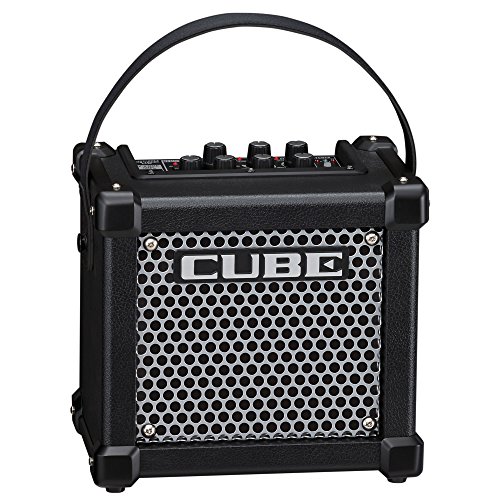
The Roland Micro Cube GX is the ultimate portable practice companion. Its compact size and battery-powered operation mean you can take your guitar tone anywhere, from your bedroom to a park bench. Despite its small stature, it features a custom-designed speaker that delivers a surprisingly full sound.
This amp provides a wide palette of tones with eight COSM amp models, ranging from classic clean to an ultra-heavy EXTREME setting. It also includes eight DSP effects, such as chorus, flanger, and a dedicated delay/reverb section with spring emulation. This versatility allows beginners to experiment with different sounds and find what inspires them.
Orange Crush 20 20W 2-Channel Guitar Amplifier

The Orange Crush 20 brings the iconic British amp sound into an affordable and beginner-friendly package. It features a simple two-channel design—clean and dirty—which is perfect for learning the fundamentals of channel switching. The high-gain preamp delivers the classic Orange crunch and distortion that many rock and metal players love.
With a 3-band EQ, an 8-inch speaker, and a solid 20 watts of power, this combo amp is loud enough for home practice and even small jam sessions. The aux input lets you play along with your favorite songs, and the headphone output includes a cab simulator for quiet, realistic-sounding practice.
Fender Super Champ X2 15-Watt Guitar Amp Head

For the beginner looking at a more modular setup, the Fender Super Champ X2 head is a fantastic choice. This 15-watt tube hybrid amp provides the warm, responsive feel of tube amplification at a very accessible point. As a head, it requires a separate speaker cabinet, giving you flexibility to choose your own sound.
It comes loaded with 15 different onboard effects, including reverb, delay, and modulation, all with individual level controls. This allows you to learn how effects shape your tone without needing a collection of individual pedals. It’s a great platform for understanding amp heads and building your rig over time.
Fender Frontman 10G Guitar Amp, 10 Watts

The Fender Frontman 10G is a classic, no-fuss beginner amp that has helped countless players start their journey. Its straightforward control panel includes gain, overdrive select, volume, treble, and bass knobs, making it easy to learn how each setting affects your sound. The 6-inch Fender Special Design speaker delivers clear, reliable tone.
This amp is known for its durability and simplicity. It provides a solid clean channel that takes pedals well and a gain channel that offers a good range of overdrive. For a player who wants to focus on fundamentals without complicated menus or digital screens, the Frontman 10G is a trusted and effective tool.
Boss Katana-50 Gen 3 50-Watt Guitar Combo Amplifier Bundle

The Boss Katana-50 Gen 3 is a feature-packed amplifier that punches well above its price class. Its 50-watt output and 12-inch speaker provide ample power for home use, practice with a band, and even small performances. The Power Control feature is a major benefit, allowing you to get great tone at any volume, perfect for late-night practice.
It includes five simultaneous effect categories (Booster, Mod, FX, Delay, Reverb) with selections from the famous BOSS effects library. The “Pushed” character setting adds dynamic, touch-responsive gain. This amp offers a professional level of versatility, giving beginners a vast sonic playground to grow into.
Blackstar ID:Core V4 Stereo 10 Digital Combo Amp

The Blackstar ID:Core V4 Stereo 10 uses a unique stereo speaker setup to create a wide, immersive soundstage that makes practice more engaging. Its two 3-inch speakers deliver a clear and spacious tone that helps your guitar sound bigger and more present, even at low volumes.
This digital combo amp includes power reduction down to 1 watt for neighbor-friendly practice and a 4-channel USB-C output for easy recording to a computer or mobile device. With a variety of onboard amp voices and effects, it provides modern practice features that connect your playing to today’s digital world.
Marshall Amps Guitar Combo Amplifier (M-MG10G-U)

This Marshall MG10G offers beginners a chance to play through one of the most legendary names in rock and roll. It captures the essential Marshall character in a compact and simple 10-watt combo. The iconic script logo and classic black vinyl covering provide that authentic stage-ready look for your bedroom.
The control layout is intuitive, typically featuring gain, tone, and volume controls, along with a channel switch for moving between clean and overdriven sounds. It’s a straightforward amp designed to deliver that classic British rock tone without complexity, making it an inspiring first amp for any aspiring guitarist.
Peavey Rage 258 Combo Guitar Amp, 25 Watts
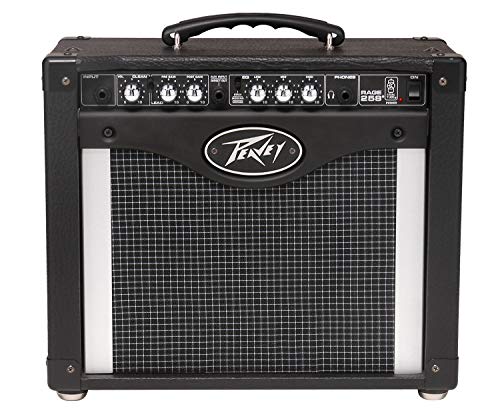
The Peavey Rage 258 is a workhorse practice amp known for its rugged build and reliable performance. Its 25 watts of power and 8-inch Blue Marvel speaker give it a robust sound that can keep up in a variety of situations. The TransTube technology is designed to emulate the responsive feel and harmonic saturation of a tube amplifier.
It features two switchable channels (clean and lead) and a 3-band EQ for solid tone shaping. This amp has been a staple in music stores and garages for years because it offers a loud, clear, and dependable platform for learning, all backed by a 2-year warranty for peace of mind.
Vox amPlug 3 AC30 Headphone Guitar Amplifier

The Vox amPlug 3 AC30 is not a traditional amp, but it is one of the most practical and affordable practice tools available. This tiny device plugs directly into your guitar’s output jack, allowing you to listen through any headphones. It perfectly replicates the chime and warmth of the legendary VOX AC30 tube amp.
It includes a dual-channel design, stereo effects, speaker emulation, and nine built-in rhythms for practicing your timing. With an aux input for backing tracks, it creates a complete, silent practice studio that fits in your pocket. It’s an excellent secondary option for anyone who needs to practice quietly or a primary amp for the ultra-space-conscious.
Orange Crush 20RT 20W Guitar Combo Amp with Reverb and Tuner
The Orange Crush 20RT builds upon the popular Crush 20 by adding highly useful practice features. The built-in digital reverb adds space and depth to your tone, which is a key effect for many styles of music. Perhaps even more valuable for a beginner is the integrated tuner, ensuring your guitar is always in tune without needing a separate pedal or clip-on device.
Like its sibling, it delivers 20 watts through an 8-inch speaker and features the classic Orange clean and dirty channels. The addition of reverb and a tuner in one package makes this a very convenient and complete practice solution, reducing the number of extra gadgets you need to buy when starting out.
Buying Guide: How to Choose Your First Guitar Amp
Choosing your first guitar amp is a big step, and with so many options under $300, it can feel a bit overwhelming. I remember staring at specs online, not really sure what I needed. The good news is, this price range is packed with fantastic starter amps that sound great. The key is to think about how and where you’ll use it. Let’s break down what you should look for in the best guitar amps under $300 for beginners.
First, consider size and power. If you’re mostly playing in your bedroom, a smaller, lower-wattage amp (like 10-20 watts) is perfect. It will sound good at low volumes and won’t annoy your neighbors or family. If you dream of jamming with a drummer or playing with friends, you’ll want something with more power, typically 40 watts or more. More watts usually means it can get louder without distorting, which is crucial for clean tones in a band setting.
Next, think about the type of amp. You have three main choices: solid-state, modeling, and tube (though tube amps under $300 are rare). Solid-state amps are reliable, affordable, and sound consistent. Modeling amps are a beginner’s best friend. They use digital technology to mimic the sounds of many famous, expensive amps and often include built-in effects like reverb, delay, and distortion. This is a huge value, letting you try out different styles without buying extra gear.
Don’t ignore the features. A headphone jack is non-negotiable for quiet practice. An aux input lets you plug in your phone or MP3 player to play along with songs. An effects loop (more common on bigger amps) is for later when you get into pedals. Also, check for a built-in tuner – it’s a small feature that makes life much easier.
Finally, trust your ears. Watch video reviews online to hear how the amps actually sound. Think about the music you want to play. Do you need crystal-clean tones for jazz or a heavy crunch for rock? Your ideal amp should inspire you to pick up your guitar and play every day. With a budget of $300, you can absolutely find a versatile, high-quality amp that will serve you well for years.
Frequently Asked Questions
Is a modeling amp a good choice for a total beginner?
Absolutely, and I often recommend them as a first amp. Modeling amps give you a wide range of sounds and effects in one box. Instead of just a “clean” and “dirty” channel, you might get models of a Fender Twin, a Marshall stack, and a Mesa Boogie. This lets you experiment and figure out what kinds of tones you like without any extra investment. It’s the fastest way to learn how different amp sounds work with your guitar.
Can I use an amp under $300 to play with a drummer?
You can, but you need to choose carefully. Look for a combo amp that is at least 40 watts and has a 10-inch or larger speaker. Smaller 10-watt amps with an 8-inch speaker will struggle to be heard over a drum kit without distorting in a way you might not want. For band practice, prioritizing wattage and speaker size is more important than having dozens of built-in effects.
What’s the benefit of an amp with an effects loop?
An effects loop is a set of jacks (send and return) that lets you place your time-based effects like delay, reverb, and chorus after the amp’s preamp stage. This is a more advanced feature, but if you plan on using a lot of distortion from the amp itself, putting modulation effects in the loop often sounds clearer and less muddy. While not essential for day one, an amp with an effects loop under $300 offers good room to grow.
Do I need to buy pedals right away if my amp has built-in effects?
Not at all. One of the biggest advantages of modern beginner amps is their built-in effects. You should fully use the reverb, delay, chorus, and distortion models that come with your amp. They are there to help you learn what the effects do and how to use them. Later on, if you want more control or a specific sound, you can start looking at individual pedals. Your amp’s effects will keep you busy for a long time.
How important is the speaker size in a beginner amp?
Speaker size has a big impact on the overall sound. Smaller 6-inch or 8-inch speakers are fine for bedroom practice and can sound surprisingly good at low volumes. However, they can sound a bit thin or boxy. A 10-inch or 12-inch speaker moves more air, resulting in a fuller, richer tone with better bass response. If you can, try to get an amp with at least a 10-inch speaker, as it will give you a more satisfying and realistic sound.