Carbon monoxide (CO) is a silent, odorless threat that can pose a serious risk in any home. Having a reliable detector is not just a recommendation—it’s a critical layer of protection for you and your family. With various types available, from simple plug-in units to smart interconnected systems, choosing the right one is essential for peace of mind.
This roundup features ten highly-rated carbon monoxide detectors to suit different needs and living situations. Whether you prioritize a digital display, battery backup, smart home integration, or protection for your vehicle, there is an option here to help keep your household safe from this invisible danger.
Our Recommended Carbon Monoxide Detectors
- First Alert CO615 Dual-Power Plug-In CO Detector
- UEi Test Instruments CO71A Carbon Monoxide Detector
- First Alert 2-in-1 Z-Wave Smoke & CO Alarm
- Vehicle Carbon Monoxide CO Detector | Fast Low-Level 9ppm Alarm
- Universal Security Instruments 10 Year Smart CO Alarm
- First Alert Plug-In CO Detector with Test & Silence Button
- Kidde Carbon Monoxide Detector, Plug In with AA Battery Backup
- Kidde CO & Explosive Gas Alarm with Digital Display
- First Alert SC5 Smart Smoke & Carbon Monoxide Alarm
- Kidde KN-COPP-3 AC Plug-In CO Alarm with Battery Backup
First Alert CO615 Dual-Power Plug-In Carbon Monoxide Detector
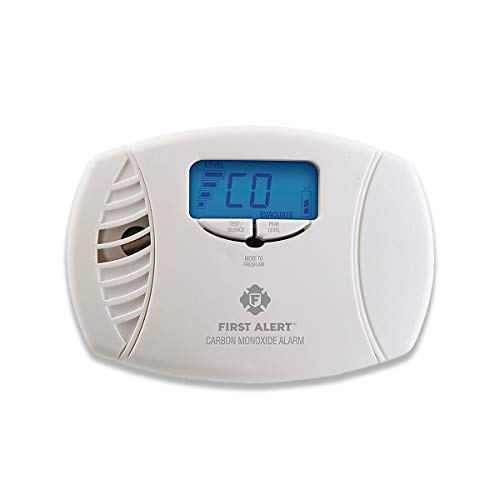
This plug-in detector from First Alert offers a practical and reliable solution for continuous monitoring. Its dual-power design, using a standard outlet with a battery backup, ensures protection continues even during a power failure. The digital display provides a clear readout of current CO levels, adding an extra layer of awareness.
A key feature is the “peak level” memory, which records and displays the highest concentration of carbon monoxide measured since the last reset. This can be useful for identifying intermittent issues. When dangerous levels are detected, a loud 85-decibel alarm will sound to alert everyone in the home.
UEi Test Instruments CO71A Carbon Monoxide Detector

The UEi CO71A is a straightforward, functional detector designed for clear visual and audible alerts. It features a three-color warning light system that provides an immediate visual status: green for normal operation, yellow for caution, and red for an alarm condition. This makes it easy to understand the situation at a glance.
This unit can detect CO levels up to 999 ppm and includes preset alarm thresholds. It also has a low battery indicator to ensure the device remains operational. Its simple design makes it a no-fuss option for effective carbon monoxide monitoring.
First Alert 2-in-1 Z-Wave Wireless Smoke Detector & Carbon Monoxide Alarm

This battery-operated device combines smoke and carbon monoxide detection with smart home connectivity. Using Z-Wave wireless technology, it can send mobile alerts to your phone if the alarm triggers, whether you’re at home or away. This provides significant peace of mind for homeowners.
It is certified to work with several major smart home systems, including Ring Alarm, Samsung SmartThings, and Nexia, when connected to a compatible Z-Wave hub. This integration allows for a more connected home safety system. Please note that compatibility with specific hubs should be verified before purchase.
Vehicle Carbon Monoxide CO Detector | Fast Low-Level 9ppm Alarm

Designed specifically for mobile environments, this compact metal detector is essential for cars, RVs, aircraft, buses, and trucks. It addresses the danger of exhaust leaks that can cause driver fatigue, headaches, and nausea, providing protection where standard home detectors are not suitable.
Its primary advantage is speed and sensitivity. It alarms at very low levels (9ppm within 60 seconds), which is much faster than typical home CO detectors. This rapid response is aligned with safety exposure levels recommended by organizations like WHO and OSHA, making it a critical tool for professional drivers and travelers.
Universal Security Instruments 10 Year Smart CO Alarm

This model offers a long-term, maintenance-focused safety solution. It comes with a 10-year permanent power sealed alkaline battery, eliminating the need for battery changes for the life of the unit. The manufacturer notes that alkaline batteries are safer and more eco-friendly to dispose of than lithium alternatives.
It features “Smart Alarm Technology” which is engineered to provide superior resistance to nuisance alarms. This helps prevent false alerts while maintaining reliable detection of actual carbon monoxide threats. The tamper-proof design adds to its durability and ensures it remains operational.
First Alert Carbon Monoxide Detector, Plug-In Alarm with Test & Silence Button

This is a simple and effective plug-in carbon monoxide alarm from a trusted brand. It installs easily into any standard outlet and uses an advanced electrochemical sensor for accurate CO detection regardless of its placement in a room. The test and silence button allows for easy monthly testing and can quiet a non-emergency alarm.
When dangerous carbon monoxide levels are present, a loud 85-decibel alarm will sound to provide a clear alert. Its straightforward design makes it an excellent choice for those who want reliable protection without extra complexity or features.
Kidde Carbon Monoxide Detector, Plug In Wall with AA Battery Backup
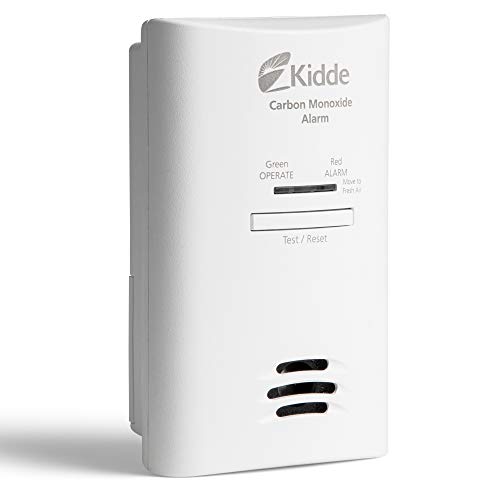
Kidde’s plug-in detector offers essential protection with the added security of a backup power source. Installation is as simple as plugging it into a standard 120V outlet. The included 2-AA battery backup ensures the unit continues to monitor for carbon monoxide even if the household power goes out.
Like other quality detectors, it features an 85-decibel alarm that will sound when CO is detected. This model provides a good balance of convenience, reliability, and continuous operation through its dual-power approach.
Kidde Carbon Monoxide & Explosive Gas Alarm with Digital Display
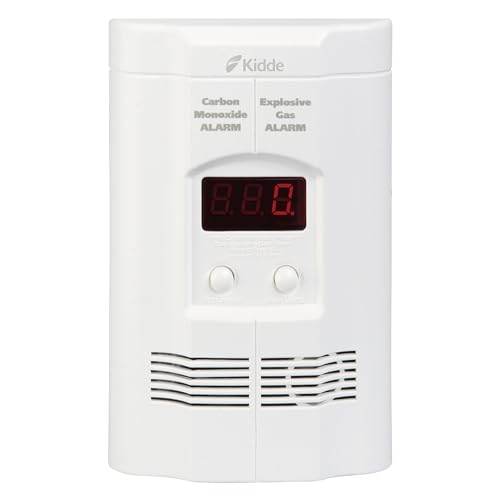
This versatile device offers protection against two major household hazards: carbon monoxide and explosive gases like propane, natural gas, and methane. Its digital LED display clearly shows the current CO level in parts per million, or will display “GAS” when explosive gas is detected.
It is a plug-in unit with a 9-volt battery backup for uninterrupted monitoring. This dual-threat detection makes it a comprehensive choice for homes that use natural gas, propane, or other combustible fuels for heating, cooking, or appliances.
First Alert SC5 Battery Smart Smoke & Carbon Monoxide Alarm

This battery-powered smart alarm provides combined smoke and CO detection with modern connectivity. It is compatible with Google’s Nest Protect, allowing for integration within that ecosystem. Through the First Alert app, it can send alerts directly to your smartphone if smoke or carbon monoxide is detected.
It also features interconnect capability, meaning when one alarm sounds, all compatible alarms in the home will sound as well. This whole-home alert system ensures that an alarm in the basement can be heard clearly in the bedrooms upstairs.
Kidde KN-COPP-3 AC Plug-In Carbon Monoxide Alarm with Battery Backup
This Kidde plug-in alarm is a popular model known for its reliable performance. It offers the convenience of AC power with the assurance of a battery backup to maintain protection during power outages. Easy to install, it simply plugs into any standard wall outlet.
The unit includes standard features like a test button to ensure the alarm and circuitry are working correctly. It provides essential, no-frills monitoring for carbon monoxide, making it a solid choice for straightforward, effective home safety.
How to Choose the Best Carbon Monoxide Detector for Your Home
When I was looking for a carbon monoxide detector for my own house, I realized there’s more to it than just grabbing the first box off the shelf. This silent, invisible gas is no joke, and picking the right sentinel is a key part of home safety. Let me walk you through what I learned you should consider.
First, you need to decide on the power source. You have three main choices: battery-powered, plug-in, or hardwired. Battery-only models are super easy to install anywhere—no outlet needed—but you must remember to test and change the batteries. Plug-in units are convenient if you have an outlet up high on your wall, but they often have a battery backup, which is non-negotiable in case of a power outage. Hardwired detectors are wired directly into your home’s electrical system, usually with a battery backup. They’re a more permanent solution and are often interconnected, meaning if one alarm sounds, they all do.
Speaking of interconnection, this is a feature I now consider a top priority. If your carbon monoxide detector goes off in the basement, will you hear it in your bedroom with the door closed and a fan on? Interconnected units, either hardwired or using wireless technology, all sound together. This gives everyone in the house the best chance to get out safely, no matter where they are.
Next, look at the display. A simple alarm-only model will shriek when it detects CO, but a digital display shows you the exact concentration of gas in parts per million (PPM). This is incredibly useful. If the alarm hasn’t gone off but I see a low, persistent reading on the screen, I know there might be a smoldering issue with an appliance that I need to check out before it becomes an emergency.
Finally, think about sensor type and smart features. Most use electrochemical sensors, which are reliable and accurate. Some newer models connect to your home Wi-Fi and can send alerts directly to your phone. For me, this is a game-changer for peace of mind when I’m away from home. I can check the status instantly and get notified of any problems, even if I’m not there to hear the alarm. Remember, the best carbon monoxide detector is one that you install, maintain, and will reliably alert you and your family to danger.
FAQ
Where should I install carbon monoxide detectors in my home?
You should have at least one detector on every level of your home, including the basement. The most critical placement is outside each separate sleeping area, so the alarm will wake you up. For extra safety, I also put one in or near any room with a fuel-burning appliance, like the furnace room or attached garage. Avoid putting them right next to windows, doors, or vents where drafts could affect the reading.
How often do I need to replace my carbon monoxide detector?
Most detectors have a lifespan of 5 to 10 years. The sensor inside wears out over time, so it’s not something you can keep forever. Check the manufacturer’s date on the back of the unit. I set a reminder in my phone for the replacement date. Even if it seems to be working, an old sensor might not catch CO in time.
What’s the difference between a smoke alarm and a carbon monoxide detector?
They detect completely different dangers. A smoke alarm senses smoke particles from a fire. A carbon monoxide detector senses the CO gas produced by incomplete burning of fuels (like gas, oil, wood). You need both! Some units are combination models that do both jobs in one device, which can be a space-saving option.
What should I do if the alarm goes off?
First, stay calm but act immediately. If anyone is feeling symptoms like headache, dizziness, or nausea, get everyone out of the house right away and call 911 from outside. If no one feels sick, you can press the test/silence button, open windows and doors to ventilate, and turn off any potential sources like gas appliances. Then, call a qualified technician to inspect your home before going back inside.
How do I test and maintain my detector?
You should test the alarm sound at least once a month by pressing the “Test” button. For battery-powered models, replace the batteries at least once a year (I do it when we change clocks for Daylight Saving Time). Regularly vacuum around the vents of the detector to keep dust from clogging the sensor. Following these simple steps ensures your 10 best carbon monoxide detectors for home safety picks will actually work when you need them.