Green tea is more than just a beverage; it’s a ritual, a moment of calm, and a source of well-being enjoyed for centuries. With so many varieties available, from delicate loose leaves to convenient tea bags and versatile powders, finding your perfect cup can be a rewarding journey. This roundup highlights ten exceptional green teas, each offering a unique taste profile and experience to suit different preferences and brewing styles.
Whether you are new to green tea or a seasoned enthusiast looking to expand your collection, there is something here for everyone. We have selected products based on quality, flavor, and brand reputation to help guide your choice. From the floral notes of jasmine pearls to the grassy depth of a classic sencha, prepare to find a new favorite.
Our Recommended Green Teas
- The Tao of Tea, Handrolled Jasmine Pearls
- Stash Tea Premium Green Tea Loose Leaf
- Tazo Zen Green Tea, 20 Count
- FullChea – Jasmine Pearl Tea Loose Leaf
- Harney & Sons Japanese Sencha Green Tea
- VAHDAM, Himalayan Green Tea Leaves
- The Republic of Tea – Honey Ginseng Green Tea
- Ito En Matcha Green Tea, Sweet Powder
- Prince of Peace 100% Organic Green Tea
- Bigelow Classic Green Tea Bags
The Tao of Tea, Handrolled Jasmine Pearls
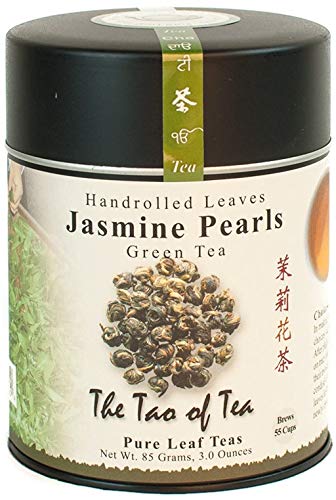
This tea offers a beautiful combination of art and flavor. Each pearl is carefully hand-rolled, unfurling slowly in hot water to release a smooth green tea base. The scent and taste are dominated by a bold, natural jasmine aroma from the flower petals included with the leaves.
It is a tea that makes the brewing process part of the experience. Watching the pearls open is visually pleasing, and the resulting cup is both fragrant and flavorful without being overpowering. The 3-ounce tin is a good size for regular enjoyment of this special tea.
Stash Tea Premium Green Tea Loose Leaf
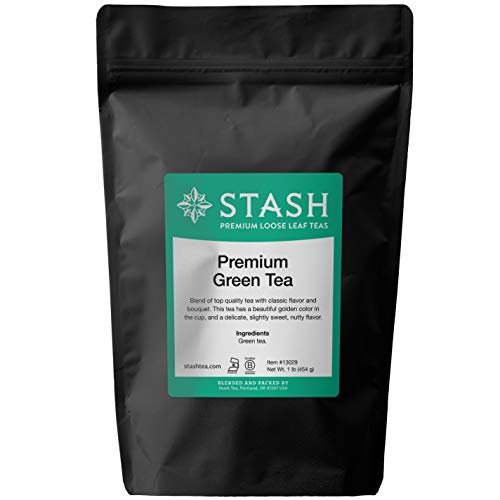
For those who drink green tea daily, this one-pound bag offers excellent value without compromising on quality. Stash processes this tea using traditional Japanese methods, resulting in a bright golden-green cup. It’s a straightforward, premium green tea that serves as a reliable staple.
The loose leaf format allows you to control the strength of your brew. It’s versatile enough for hot tea or can be used to make a pitcher of iced tea. Sourced from the brand’s own garden and blended in Oregon, it provides a consistent and high-quality flavor profile cup after cup.
Tazo Zen Green Tea

Tazo Zen is a popular and accessible choice, especially for those who prefer the convenience of tea bags. This blend combines green tea with lemongrass and spearmint, creating a refreshing and aromatic cup. The mint provides a cool finish, while the lemongrass adds a citrus note.
It’s an ideal tea for an afternoon pick-me-up or a soothing evening drink. The 20-count box is perfect for keeping at the office or for trying the flavor without a large commitment. The blend is consistent and well-balanced, making it a crowd-pleaser.
FullChea Jasmine Pearl Tea

This product stands out by including a practical accessory: 50 empty tea bags. This makes enjoying loose leaf jasmine pearls as convenient as using a tea bag, with no need for a separate infuser. The pearls themselves are known for their sweet flavor and delightful jasmine aroma.
It’s a great option for those who want the high-quality experience of loose leaf tea but appreciate simplicity. The 4-ounce size provides plenty of tea for multiple servings, and the included bags help minimize mess and cleanup. The taste is a sophisticated and satisfying jasmine green tea.
Harney & Sons Japanese Sencha Green Tea

Harney & Sons offers a very approachable and everyday Japanese Sencha. This tea is light and delicate, handpicked in the spring, and brews into a classic green tea cup. It’s described as a tea commonly found in homes in Tokyo, offering an authentic experience.
The 50 tea bags come in a elegant tin, which is great for storage and presentation. Sencha is known for its grassy, slightly sweet notes, and this version is a fine example. It’s an excellent introduction to Japanese green teas for beginners.
VAHDAM Himalayan Green Tea Leaves

Sourced from high-elevation plantations in the Himalayas, this tea offers a pure, single-origin profile. The leaves are vacuum-sealed shortly after harvesting to lock in freshness, resulting in a smooth and succulent flavor with a sweet note. It’s a non-GMO and gluten-free loose leaf tea.
The brand emphasizes direct sourcing and sustainability, which appeals to conscious consumers. The tea has a medium caffeine content and is recommended to be enjoyed without milk to appreciate its nuanced character. The resealable bag helps maintain quality after opening.
The Republic of Tea Honey Ginseng Green Tea

This flavored green tea combines a fresh green tea base with the natural sweetness of honey and the distinctive, earthy note of ginseng. The result is a crisp and sweet cup that is both comforting and invigorating. It comes in a stylish tin with 50 tea bags.
The addition of ginseng has been valued in traditional practices for its supportive properties. This tea is a good choice for those who want the benefits of green tea but prefer a flavor that is slightly sweeter and more complex than a plain variety.
Ito En Matcha Green Tea, Sweet Powder

This product is for those interested in the versatility of matcha. It is a sweetened green tea powder, made from finely milled Japanese tea leaves, perfect for making matcha lattes or adding to smoothies and recipes. It dissolves easily in both hot and cold liquids.
Unlike traditional ceremonial matcha, this sweetened version is designed for easy enjoyment and requires no special tools. The large 17.5-ounce canister is ideal for frequent use. It provides a convenient way to add green tea’s antioxidants to your routine in a different format.
Prince of Peace 100% Organic Green Tea

This is a value-focused option that does not sacrifice organic certification. The family-size box contains 200 tea bags, making it an economical choice for households or offices. The tea is made from 100% organic green tea leaves.
It provides a smooth-tasting, classic green tea flavor that can be enjoyed hot or iced. The natural caffeine offers a gentle boost, and the tea contains minerals like magnesium and potassium. It’s a straightforward, reliable organic tea for daily drinking.
Bigelow Classic Green Tea Bags
A staple in many pantries, Bigelow Classic Green Tea is widely recognized and easy to find. It offers a consistent, mild green tea flavor that is approachable for almost anyone. The tea bags are individually wrapped to help preserve freshness.
This tea is a no-fuss choice perfect for a quick cup at home, work, or while traveling. Its familiar taste and reliability have made it a longtime favorite. It serves as an excellent benchmark for classic American-style green tea.
How to Choose the Best Green Teas to Try
If you’re looking to build a collection of the 10 best green teas to try, knowing what to look for makes all the difference. Green tea isn’t a single flavor; it’s a whole spectrum, from grassy and vegetal to sweet and nutty. Your first step is to think about your own taste. Do you prefer something light and refreshing, or a tea with a more robust, toasty character? This will guide you toward the right styles.
Pay close attention to origin. The country and even the specific region where the tea is grown defines its character. Japanese green teas, like sencha or gyokuro, are often steamed during processing, which gives them a vibrant green color and a more vegetal, sometimes even marine, flavor profile. Chinese green teas, like dragonwell (longjing) or gunpowder, are typically pan-fired. This method creates a flatter leaf and yields flavors that are more toasty, nutty, or chestnut-like. Knowing this basic distinction helps narrow down your search instantly.
Next, consider the leaf grade. Are you looking at loose-leaf tea or tea bags? For the fullest flavor and the ability to re-steep leaves, I always recommend high-quality loose-leaf. The leaves have room to expand and fully infuse. While there are decent tea bags out there, they often contain smaller pieces of leaves (called “fannings” or “dust”) that can brew a bitter cup if you’re not careful. If convenience is key, look for pyramid-shaped bags that give the leaves more space.
Finally, don’t forget about freshness and brewing. Green tea is more delicate than black tea. Always check for a harvest date if you can, and buy from reputable sellers who turnover their stock quickly. Store your tea in an airtight container away from light, heat, and strong odors. And when you brew, water temperature is critical. Boiling water will scorch green tea leaves and make your cup unpleasantly bitter. Aim for water between 150°F and 180°F (65°C to 82°C). Start with a shorter steeping time (1-2 minutes) and adjust to your taste. With these tips in mind, you’re ready to find your new favorite cup.
Frequently Asked Questions
What is the difference between matcha and other green teas?
The biggest difference is that with matcha, you’re consuming the entire ground tea leaf whisked into water, not just an infusion. This gives it a much more concentrated flavor, a vibrant green color, and a higher caffeine and antioxidant content. Other green teas, like sencha or dragonwell, are steeped and then the leaves are removed. Matcha has a unique, rich, and sometimes slightly sweet umami taste, while steeped green teas offer a wider range of flavors from grassy to toasty.
How much caffeine is in green tea?
It varies, but generally, an 8-ounce cup of brewed green tea contains between 20-45 mg of caffeine. This is less than black tea (about 50 mg) and much less than coffee (about 95 mg). Factors like the specific tea variety, how it was processed, your brewing time, and water temperature all affect the final amount. Matcha tends to be higher because you ingest the leaf powder.
Can I add milk or sugar to green tea?
You absolutely can—it’s your tea! However, for high-quality, pure green teas, I suggest trying them plain first to appreciate their natural flavors. Adding milk can overpower the delicate notes. A little honey or a slice of lemon can be a nice complement if you find some teas too bitter. For flavored green teas (like jasmine or mint), or for making a green tea latte (especially with matcha), additions are very common and tasty.
Why does my green tea sometimes taste bitter?
Bitterness almost always comes from over-brewing. Green tea leaves are delicate. Using water that is too hot or steeping for too long extracts too many tannins, which create that harsh, bitter taste. To fix this, always use water well below boiling (let it cool for a few minutes after boiling) and start with a short steeping time of 1-2 minutes. You can always steep longer for a stronger cup, but you can’t undo bitterness.
What is the best way to store green tea to keep it fresh?
Keep it away from air, light, moisture, heat, and strong smells. The best practice is to store your loose-leaf tea in an opaque, airtight container (like a tinted tin or a ceramic jar with a tight seal). Keep it in a cool, dark cupboard, not on the counter or near the stove. Do not store it in the refrigerator unless it’s perfectly sealed, as condensation and food odors can ruin the tea.
Are there any green teas you’d recommend for beginners?
If you’re new to green tea, I’d suggest starting with a forgiving and approachable style. A Chinese Dragonwell (Longjing) is fantastic—it has a smooth, slightly sweet, and nutty flavor with very little astringency. A Japanese sencha is also a great choice; look for a “steamed” sencha which has a fresh, grassy, and balanced taste. These are classic examples that can serve as a foundation for your journey to find the 10 best green teas to try for yourself.