For many households, removing fluoride from tap water is a key health and taste priority. While fluoride is added to municipal supplies for dental benefits, some individuals prefer to limit their intake due to personal preference or specific health considerations. Finding an effective filter that targets fluoride, among other common contaminants, requires understanding the different technologies available, from reverse osmosis to specialized activated alumina filters.
This roundup simplifies your search by presenting eight of the best fluoride water filters on the market. We’ve included a variety of systems to suit different needs and budgets, from high-capacity under-sink installations to convenient countertop pitchers. Each product featured here is recognized for its effectiveness in reducing fluoride, ensuring you can make an informed choice for cleaner, better-tasting water at home.
Our Top Picks for Fluoride Water Filters
- Fluoride Lead Chlorine Removal Undercounter KDF/GAC Water Filter System
- iSpring RCC7 NSF Certified High Capacity Reverse Osmosis Water Filter
- Woder Fluoride Removal Dual Stage Under Sink Water Filtration System
- Epic Water Filters Pure Filter Pitchers for Drinking Water
- Aquagear Water Filter Pitcher – Lead, Chlorine, PFOA/PFOS Filter
- APEC Water Systems ROES-50 Essence Series Reverse Osmosis System
- iSpring RCC7AK 6-Stage RO System with Alkaline Remineralization
- Express Water RO5DX Reverse Osmosis Filtration System
Fluoride Lead Chlorine Removal Undercounter KDF/GAC Water Filter System
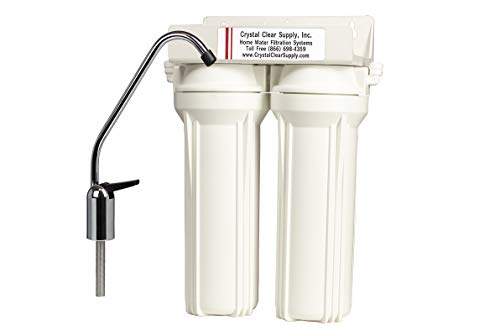
This under-sink system offers a mineral-preserving alternative to reverse osmosis. It uses a dual-cartridge approach, combining KDF/GAC media for broad-spectrum reduction of chlorine, lead, and heavy metals with a dedicated activated alumina cartridge specifically for fluoride removal. This method allows beneficial minerals like calcium and magnesium to remain in your water.
Designed for discreet installation, it fits neatly under most kitchen sinks. The system includes an “EZ valve connector” for straightforward attachment to your cold water line and a dedicated long-reach spout for dispensing filtered water directly. It’s an excellent choice for those seeking targeted fluoride reduction without the wastewater or complete demineralization associated with RO systems.
iSpring RCC7 NSF Certified High Capacity Reverse Osmosis Water Filter

For comprehensive water purification, the NSF/ANSI 58 certified iSpring RCC7 is a top contender. This 5-stage reverse osmosis system is engineered to remove up to 99% of over 1,000 contaminants, including fluoride, lead, chlorine, arsenic, and PFAS. It effectively reduces total dissolved solids (TDS), addressing scale buildup from hard water minerals.
Built for reliability, it features a leak-free design with premium components and requires no electricity to operate. The transparent first-stage housing allows for easy visual inspection of the sediment filter. With a compact footprint and a 75-gallons-per-day production rate, it provides a consistent supply of clean water, making it a practical and thorough solution for family drinking water.
Woder Fluoride Removal Dual Stage Under Sink Water Filtration System

The Woder Gen3 system provides a direct-connect, USA-made filtration option that targets fluoride without a complex installation. Its dual-stage design is built to reduce fluoride, chlorine, lead, heavy metals, and unpleasant odors from your cold water line. This makes it a simpler alternative to full reverse osmosis systems.
Its key advantage is the direct connection design, which often requires no permanent modifications to your existing plumbing. This user-friendly approach is ideal for renters or homeowners seeking an effective fluoride-removing filter with a simpler setup process. It delivers dedicated contaminant reduction with minimal hassle.
Epic Water Filters Pure Filter Pitchers for Drinking Water

For a portable, no-installation solution, the Epic Pure water pitcher is a powerful option. It uses a proprietary, thick solid carbon block filter designed to remove fluoride, lead, chlorine, PFAS “forever chemicals,” and a wide array of other contaminants. The brand states it removes 2000% more contaminants than leading pitcher brands.
Smart filter media targets unwanted substances while retaining healthy trace minerals like calcium and magnesium. The 10-cup pitcher fits conveniently in refrigerator doors and has a long filter life of 150 gallons. It’s rigorously tested against several NSF/ANSI standards, offering peace of mind and effective filtration right from your fridge.
Aquagear Water Filter Pitcher – Lead, Chlorine, PFOA/PFOS Filter

The Aquagear pitcher emphasizes both extensive contaminant removal and mineral retention. Third-party tested, its filter is verified to reduce lead, chlorine, PFOA/PFOS, microplastics, and fluoride. The manufacturer notes it removes 20 times more contaminants than traditional pitcher filters.
A significant benefit is its long filter lifespan—each cartridge processes up to 120 gallons, which is approximately three times longer than many standard pitcher filters. Like the Epic pitcher, it is designed to keep healthy minerals in the water, providing a balanced and economical filtered water solution for daily use.
APEC Water Systems ROES-50 Essence Series Reverse Osmosis System
APEC’s ROES-50 is a premium 5-stage reverse osmosis system built for high performance and reliability. It is designed to produce ultra-safe drinking water by removing up to 99% of contaminants such as fluoride, arsenic, lead, chlorine, and hundreds more. This system is certified to the strict standards of NSF/ANSI 58.
It features a robust construction with high-capacity filters, ensuring a long system life and consistent water quality. The included pressurized storage tank guarantees you have plenty of filtered water on demand. Known for its exceptional customer support and quality components, this system is a solid investment for whole-family drinking water purification.
iSpring RCC7AK 6-Stage RO System with Alkaline Remineralization
This iSpring model builds upon the popular RCC7 by adding a crucial sixth stage: an alkaline remineralization filter. While the first five stages of reverse osmosis effectively remove fluoride and other impurities, the final stage restores healthy minerals like calcium and magnesium, raising the water’s pH.
The result is clean, purified water that also has a smoother, more balanced taste compared to standard RO water, which can taste flat. This system is ideal for those who want the thorough purification of reverse osmosis but prefer the taste and potential benefits of mineralized, alkaline water.
Express Water RO5DX Reverse Osmosis Filtration System
The Express Water RO5DX is a versatile 5-stage reverse osmosis system designed for efficiency and user-friendly maintenance. It effectively reduces fluoride, chlorine, lead, arsenic, and numerous other contaminants to deliver purified drinking water. The system includes a standard faucet and storage tank for immediate use.
It stands out with its clear, color-coded housing and quick-connect fittings, which simplify the installation and future filter changes. Built with durability in mind, this system provides a reliable and straightforward RO solution for households looking to improve their water quality with a proven filtration technology.
Buying Guide: What to Look For in a Fluoride Water Filter
Choosing the right fluoride water filter for your tap water can feel overwhelming with all the options out there. I’ve spent a lot of time researching and testing, and I can tell you it comes down to a few key factors. First, you need to understand the technology. Not all filters remove fluoride. For that, you need a system that uses either activated alumina, reverse osmosis (RO), or bone char carbon. Activated alumina is a specific media that adsorbs fluoride and is common in pitcher and under-sink filters. Reverse osmosis is a multi-stage process that forces water through a very fine membrane, removing fluoride and a host of other contaminants. It’s highly effective but can be more expensive and produce wastewater.
Next, consider your household’s water usage. How much filtered water do you drink and cook with daily? A simple countertop pitcher is great for one or two people, but a family will likely need the higher capacity of an under-sink RO system or a whole-house filter. Think about installation, too. Pitchers and some countertop models are zero-installation. Under-sink units require some plumbing know-how or a handyman, while whole-house systems are a significant installation project.
Filter life and ongoing cost are huge. Check how many gallons a filter cartridge is rated for and how often the manufacturer recommends changing it. A cheaper upfront cost can be misleading if the replacement filters are expensive and need swapping every few months. I always calculate the cost per gallon over a year to compare fairly. Also, look for certifications from independent bodies like NSF/ANSI. Specifically for fluoride reduction, look for Standard 53 or 58 (for RO). This certification is your best guarantee that the filter does what it claims.
Finally, consider what else you want to remove. Fluoride often isn’t the only concern. Your water might have chlorine, lead, pesticides, or bad tastes and odors. A reverse osmosis system is the most comprehensive, stripping away almost everything. An activated alumina filter is more targeted but often paired with other media to handle a broader range of issues. Knowing your water’s specific contaminant profile, ideally from a test report, is the best starting point for picking the perfect one of the 8 best fluoride water filters for tap water.
FAQ
Why do some people want to remove fluoride from tap water?
Fluoride is added to many public water supplies to help prevent tooth decay, a practice known as community water fluoridation. However, some individuals prefer to limit their fluoride intake due to personal health preferences, concerns about overexposure, or specific medical conditions. It’s a personal choice, and having a filter gives you control over what’s in your drinking water.
Do all water filters remove fluoride?
No, they absolutely do not. Standard carbon filters (like those in many pitcher brands) are great for improving taste and odor by removing chlorine, but they do not remove fluoride. To reduce fluoride, you need a filter that uses activated alumina, reverse osmosis, or bone char media. Always check the product’s specifications and certifications for “fluoride reduction” before buying.
What’s the difference between a fluoride filter and a reverse osmosis system?
A dedicated fluoride filter typically uses a cartridge filled with activated alumina to target fluoride and arsenic specifically. A reverse osmosis (RO) system is a more comprehensive solution. It uses a multi-stage process, including a sediment filter, carbon filters, and the crucial RO membrane, which removes fluoride along with a very wide range of other contaminants like lead, nitrates, and total dissolved solids. An RO system is often the most thorough option.
How often do I need to change the filters?
It depends entirely on the model, your water quality, and your household usage. A pitcher filter might need changing every 1-2 months, while the pre-filters in an RO system might last 6-12 months. The RO membrane itself can last 2-3 years. The key is to follow the manufacturer’s guidelines based on time or gallon capacity. Ignoring changes means the filter stops working effectively.
Will removing fluoride also remove healthy minerals from my water?
This depends on the technology. A standard activated alumina fluoride filter will not remove beneficial minerals like calcium and magnesium. However, a reverse osmosis system does strip these minerals out along with the contaminants. Many people don’t mind this, as we get most minerals from our food. Some RO systems include a “remineralization” stage that adds back a blend of healthy minerals for taste and potential health benefits.
Are these filters difficult to install?
There’s a range. Pitchers and pour-through countertop units require no installation—just fill and use. Countertop RO systems usually connect to your faucet with a diverter valve. Under-sink filters are the most involved, requiring connection to your cold water line and drain, which might need a plumber. Always assess your comfort with basic tools before purchasing an under-sink model.