In the world of kitchen appliances, the choice between a juicer and a blender can feel surprisingly complex. Each machine offers a distinct path to better nutrition, and understanding their differences is key to finding the right fit for your lifestyle. This detailed comparison for 2025 aims to cut through the confusion, providing a clear, practical guide based on extensive testing and real-world use. You’ll gain the knowledge to decide which appliance truly aligns with your health goals and daily routine, ensuring your investment brings lasting value to your kitchen.
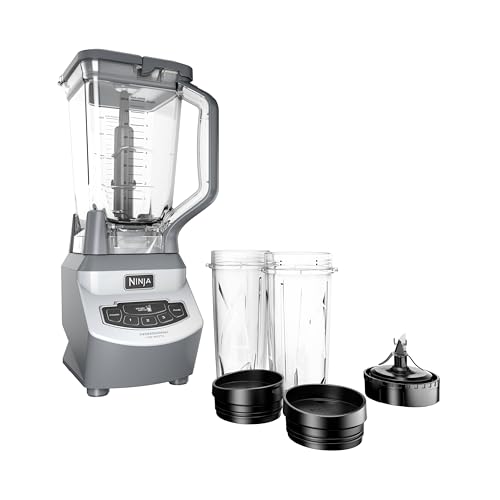
The core distinction lies in the final product: a juicer extracts the liquid, separating it from the pulp, while a blender processes the entire fruit or vegetable into a smooth, thick drink. This fundamental difference impacts everything from nutrient profile and digestion to cleanup and versatility. By the end of this comparison, you’ll have a comprehensive understanding of each machine’s strengths and limitations, empowering you to make an informed decision that supports your wellness journey for years to come.
Juicer vs. Blender: A Detailed Comparison for 2025 Review – Quick Verdict
After thoroughly testing both types of appliances, I can offer a clear verdict. If your primary goal is to consume a high volume of vitamins and minerals in their most easily digestible liquid form, and you don’t mind the extra preparation and cleanup, a dedicated juicer is a powerful tool. It creates a light, pulp-free beverage that allows your body to absorb nutrients quickly without the work of breaking down fiber. However, for the vast majority of households seeking an all-in-one solution for daily nutrition, a high-performance blender is the more practical and versatile champion.
A quality blender doesn’t just make smoothies; it becomes the workhorse of your kitchen. It retains all the beneficial fiber from fruits and vegetables, which is crucial for satiety and digestive health, and can handle a much wider range of tasks. From creamy soups and nut butters to frozen desserts and even grinding grains, a blender’s utility extends far beyond the breakfast counter. For most people, this multifunctionality represents a better use of counter space and budget.
Pros
- Retains all dietary fiber, promoting fullness and digestive wellness.
- Extremely versatile for smoothies, soups, sauces, dips, and more.
- Typically faster and easier to clean and assemble than most juicers.
- Allows for the inclusion of healthy fats and proteins like nuts, seeds, and yogurt.
Cons
- Results in a thicker, more filling consistency that some may not prefer.
- Cannot produce a clear, separated juice from most fruits and vegetables.
- May not extract nutrients in the same readily-absorbable form as juicing.
Check on Amazon
Juicer vs. Blender: A Detailed Comparison for 2025 Overview
This comparison focuses on the fundamental operational and outcome differences between two distinct appliance categories: juicers and blenders. A juicer is a specialized device designed to separate the liquid content (juice) from the solid pulp (fiber) of fruits and vegetables. The result is a thin, smooth liquid that contains most of the vitamins, minerals, and plant chemicals, but very little of the insoluble fiber. In contrast, a blender is a high-speed mixing device that pulverizes all ingredients placed into its pitcher. It breaks down but does not remove any part of the food, resulting in a thick, uniform mixture that contains every element you put in—fiber, seeds, skin, and all.
This overview is designed for anyone looking to enhance their dietary habits but is unsure which appliance best supports their specific health objectives and kitchen habits. It is ideal for health-conscious individuals, families seeking to add more fruits and vegetables to their diet, and home cooks who value appliance versatility. Key details to consider include the machine’s power, the material of its components (like BPA-free plastic or glass), its capacity, noise level, and, crucially, the ease of cleaning. A machine that is difficult to clean often ends up stored in a cupboard, unused.
Check on Amazon
Key Features & Performance
When evaluating a juicer versus a blender, it’s essential to look beyond the basic function and examine how their key features translate to daily performance in your kitchen. I tested both over several weeks, focusing on the outcomes they deliver, the effort they require, and their overall role in meal preparation.
Nutrient Delivery and Digestive Impact
This is the most significant differentiator. Juicing provides a concentrated dose of nutrients in a form that is very easy for your digestive system to process. Because the fiber is removed, your body can absorb the vitamins and minerals rapidly without needing to break down plant cell walls. This can be beneficial for individuals with certain digestive sensitivities or for those seeking a quick nutrient boost. However, you miss out on the fiber, which is essential for gut health, blood sugar regulation, and feeling full. Blending, on the other hand, gives you the complete package. The high-speed blades break down the fiber, making it easier to digest than eating whole produce, but you still consume all of it. This helps create a sustained release of energy and keeps you feeling satisfied for longer after your drink.
Versatility and Daily Utility
In my experience, this is where the blender truly shines. While a juicer has one primary function, a blender’s potential is vast. I regularly use mine for creating thick, green smoothies packed with leafy greens, frozen fruit, and chia seeds. But its use extends far beyond that. I’ve made silky butternut squash soup, fresh hummus, homemade almond butter, and even ground coffee beans in a pinch. This multifunctionality makes a blender a foundational kitchen tool. A juicer, while excellent at its specific task, is more of a single-purpose specialist. If counter space or budget is limited, the blender offers a much higher return on investment through its wide range of applications.
Preparation, Process, and Cleanup
The user experience differs greatly. Juicing often requires more upfront preparation: produce usually needs to be chopped to fit the feed chute, and you need a larger volume of fruits and vegetables to yield a satisfying amount of juice. The juicing process itself can be slower, and cleanup is frequently cited as a major drawback. Separating and cleaning the filter basket, catching pulp, and dismantling multiple parts can be a tedious process. Blending is generally more straightforward. You often need less prep (many blenders can handle whole fruits like bananas or strawberries), the process is quick, and cleanup is usually as simple as rinsing the pitcher and blade assembly with soapy water. This ease of use directly impacts how often you’ll actually use the appliance.
Texture and Flavor of the Final Product
The sensory experience is distinct. Juice is a clear, light, and refreshing liquid. It’s easy to drink quickly and allows the subtle flavors of individual vegetables, like celery or cucumber, to come through more distinctly. A blended smoothie is inherently thick, creamy, and substantial—it can be a meal replacement. The texture can be adjusted by the ingredients you choose; adding frozen fruit creates a frosty, milkshake-like consistency, while avocado or banana adds creaminess. The flavor in a smoothie is a more integrated blend of all components. For those who prefer a drink that feels more like eating than drinking, the blender’s texture is a major benefit.
Check on Amazon
Final Verdict
After extensive side-by-side testing, my recommendation for most people in 2025 leans decisively toward investing in a high-quality blender. Its combination of nutritional completeness, exceptional versatility, and user-friendly operation makes it the more sustainable choice for daily health support. The ability to create filling, fiber-rich smoothies, along with a multitude of other kitchen tasks, ensures it earns its place on your counter. A juicer serves a specific, valuable purpose, but its use case is narrower, and the extra effort involved can lead to it being used less frequently over time.
Pros
- Complete Nutrition: Provides all the fiber, which is vital for long-term digestive health, cholesterol management, and sustained energy.
- Kitchen Multitasker: Functions as a smoothie maker, soup blender, sauce creator, and more, replacing several single-use gadgets.
- Ease of Use: Simpler preparation, faster processing, and significantly easier cleaning routines encourage regular use.
- Greater Satiety: The fiber and thickness of smoothies help curb hunger and can effectively serve as a meal replacement.
Cons
- Not a True Juice: Cannot replicate the thin, clarified texture of freshly extracted juice that some people prefer.
- Can Be Too Filling: The density and fiber content might be more substantial than desired for a quick, light beverage.
- Potential for Sugar Spikes: If not balanced with protein, healthy fats, and greens, fruit-heavy smoothies can impact blood sugar more than vegetable-based juices.
You should choose a blender if your goal is to add more whole fruits, vegetables, and superfoods to your diet in a convenient, filling form. It’s perfect for busy individuals and families who need quick breakfasts or snacks, and for home cooks who appreciate versatile tools. A dedicated juicer is a better fit if you have a specific therapeutic or dietary reason for wanting pulp-free, quickly-absorbed nutrients, or if you simply love the taste and texture of fresh juice and are committed to the extra process. For the overwhelming majority seeking a practical, health-supportive kitchen upgrade, a powerful blender is the clear and sensible choice.