For quilters, sewists, and crafters, the rotary cutter is a revolutionary tool that offers precision and speed unmatched by traditional scissors. The right cutter can turn a tedious cutting session into a smooth, efficient process, saving both time and your hands from strain. With a variety of blade sizes, handle styles, and safety features available, choosing the perfect one is key to elevating your projects.
This comprehensive roundup examines nine of the best rotary cutters on the market. Whether you need power for thick layers, finesse for intricate curves, or a complete starter kit, we have you covered. Our detailed reviews will help you compare features and find the ideal tool to make clean, accurate cuts every time.
Our Top Picks for Rotary Cutters
- Fiskars Rotary Cutter for Fabric – 60mm Titanium
- Rotary Cutter Set turquoise – Quilting Kit
- OLFA 45mm Quick-Change Rotary Cutter
- Fiskars 45mm Rotary Cutter with Ergonomic Loop Grip
- OLFA 60mm Ergonomic Rotary Cutter
- Fiskars 60mm Rotary Cutter with Comfort Handle
- KAI Rotary Cutter 45 mm
- Fiskars Stick Rotary Cutter, 28mm
- OLFA 45mm Deluxe Rotary Cutter
Fiskars Rotary Cutter for Fabric – 60mm Titanium
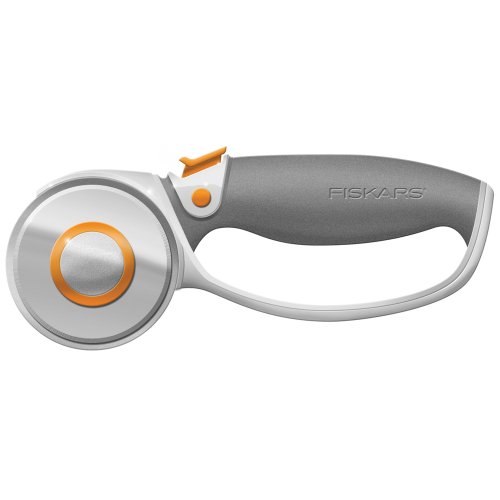
When your projects involve thick materials like batting, foam, or multiple fabric layers, this 60mm titanium-coated rotary cutter from Fiskars is a powerhouse. The large blade diameter makes quick work of big cuts, while the titanium coating provides exceptional durability, staying sharp up to three times longer than standard steel blades. This is a tool built for heavy-duty use.
Its ambidextrous design is a significant advantage, as the blade can be assembled on either side of the cutter to provide optimal visibility for both right- and left-handed users. The ergonomic handle ensures comfort during extended cutting sessions, making it a reliable choice for serious quilters and crafters who demand performance and longevity from their tools.
Rotary Cutter Set turquoise – Quilting Kit

This all-in-one turquoise set from Honey’s Heaven is the perfect starting point for any new quilter or crafter. It includes virtually everything you need to begin: a 45mm rotary cutter, five replacement blades, an A3 self-healing cutting mat, an acrylic ruler, and craft clips. The value and convenience are unmatched, saving you the hassle of purchasing each item separately.
The cutter itself features a comfortable, ergonomic handle with an adjustable screw system for high blade stability. The included SKS-7 steel blades are remarkably sharp, capable of cleanly cutting through up to six layers of fabric or paper at once. The double-sided cutting mat is a durable 5-ply design, providing a reliable surface for accurate cutting right out of the box.
OLFA 45mm Quick-Change Rotary Cutter
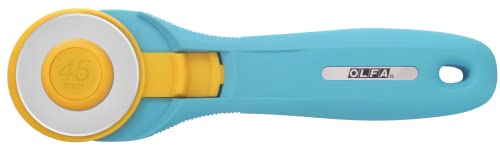
OLFA is a trusted name in cutting tools, and this 45mm Quick-Change model exemplifies why. It comes pre-loaded with a razor-sharp blade made from high-quality tungsten tool steel, known for its superior edge retention and clean cuts. The contoured, ergonomic handle is designed for comfort, with finger grooves to prevent slippage during detailed work.
As the name suggests, the standout feature is the quick-change blade system, which allows for simple and safe blade replacements without any fuss. A built-in blade cover adds an extra layer of safety when the cutter is not in active use. This combination of a sharp blade, comfortable grip, and easy maintenance makes it a top contender for everyday sewing and quilting tasks.
Fiskars 45mm Rotary Cutter with Ergonomic Loop Grip

This Fiskars 45mm rotary cutter is a versatile and reliable tool for a wide range of crafts. Its precision-ground, high-grade steel blade is ideal for cutting multiple layers of fabric, felt, and vinyl with accuracy. The loop handle design is a distinctive feature that promotes a natural and comfortable grip, helping to reduce hand fatigue during long cutting sessions.
It functions as a quick-change model, making blade replacements straightforward. As a staple from a well-known brand, this cutter is built to last and is backed by a lifetime warranty. It’s an excellent, all-purpose choice for sewists and quilters who need a dependable tool for precise cutting on a variety of projects.
OLFA 60mm Ergonomic Rotary Cutter
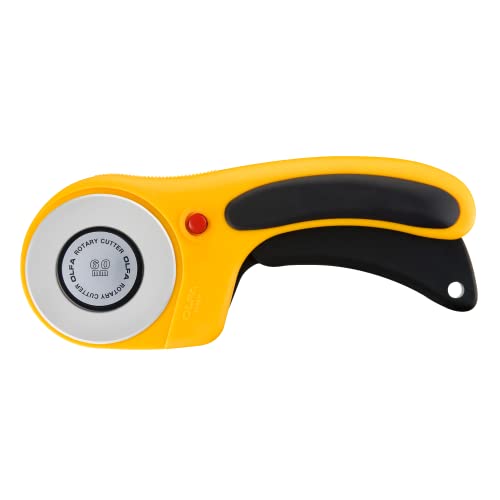
For those who need a larger blade but also prioritize safety and comfort, the OLFA 60mm Ergonomic Rotary Cutter is an outstanding option. It features a squeeze-trigger handle that exposes the blade only when pressure is applied and automatically retracts for safety when released. The handle is curved with an anti-slip rubber grip to minimize hand stress.
This model comes with OLFA’s high-performance Endurance Blade, which is designed to last twice as long as their standard blades. The dual-action safety lock is a sophisticated feature, allowing you to lock the blade in either the open or closed position, providing maximum control and security based on your preference and the task at hand.
Fiskars 60mm Rotary Cutter with Comfort Handle

This 60mm model from Fiskars shares the titanium-coated blade technology of its sibling but is housed in a different ergonomic handle. Designed for cutting thicker materials like batting and multiple fabric layers, the titanium coating ensures long-lasting sharpness and durability. The larger blade size allows you to cover more ground with each pass.
The comfort handle is shaped to fit the hand naturally, promoting control and reducing fatigue. It also includes an easy and safe blade change mechanism. Backed by Fiskars’ full lifetime warranty, this cutter is a robust and trustworthy tool for quilters and crafters who regularly work with demanding materials.
KAI Rotary Cutter 45 mm

KAI is renowned for producing exceptionally sharp blades, and this 45mm rotary cutter is a testament to that reputation. It features a traditional, straightforward design with a natural hand grip that is universally comfortable for both right and left-handed users. The focus here is on the quality of the cut and simplicity of use.
The pressure-sensitive blade provides excellent control, allowing for smooth, precise cuts on a variety of materials. If you appreciate a no-frills, high-performance tool from a brand known for its cutting expertise, the KAI rotary cutter is a superb and often overlooked option that delivers professional results.
Fiskars Stick Rotary Cutter, 28mm

The Fiskars Stick Rotary Cutter is a specialized tool designed for detail work and intricate cutting. Its unique, pen-like 28mm design offers superior control and maneuverability for cutting curves, corners, and small pattern pieces that are challenging with a larger blade. The symmetrical shape makes it equally easy for right and left-handed users to handle.
Despite its small size, it features a high-grade, precision-ground steel blade that maintains its sharpness. This cutter is the perfect supplement to your primary larger cutter, ideal for appliqué, paper piecing, and any project that requires a delicate touch and pinpoint accuracy.
OLFA 45mm Deluxe Rotary Cutter
Another excellent offering from OLFA, the 45mm Deluxe Rotary Cutter is engineered for comfort and precision. It typically features an ergonomic handle designed to fit the hand comfortably, reducing strain during long periods of use. Like other OLFA models, it boasts a razor-sharp blade made from quality steel for clean, effortless cuts through multiple layers of fabric.
This cutter often includes thoughtful safety features such as a retractable blade guard and a secure locking mechanism. It’s a professional-grade tool that strikes a great balance between a comfortable grip, sharp performance, and essential safety, making it a dependable choice for daily use in any sewing room.
Buying Guide: How to Choose the Best Rotary Cutter for Fabric
As someone who spends a lot of time at the cutting mat, I can tell you that not all rotary cutters are created equal. Picking the right one can be the difference between a smooth, enjoyable project and a frustrating struggle. With so many options out there for the 9 best rotary cutters for fabric reviewed and compared, knowing what to look for is key. Let me walk you through the main features to consider.
First up is the blade size. This is probably the most important decision. Rotary cutters typically come in three main sizes: 28mm, 45mm, and 60mm. The smaller 28mm blade is fantastic for tight curves, intricate patterns, and small projects. The 45mm is the real workhorse; it’s the Goldilocks of blades—just right for most tasks, from quilting to garment making. It handles curves and straight lines with ease. Then you have the hefty 60mm blade. This is your go-to for cutting through multiple layers of fabric or long, straight lines. If you make a lot of quilts, this one will save you time and effort.
Next, consider the handle design and the safety mechanism. Your hand will thank you for this. Look for an ergonomic handle that fits comfortably in your palm. Some are padded, some are contoured, but the goal is to reduce hand fatigue during long cutting sessions. The safety latch is non-negotiable. A good rotary cutter will have a reliable, easy-to-use locking mechanism that retracts the blade when not in use. I always look for a design that I can operate with one hand, usually with a simple slide or a button. This makes the workflow faster and much safer, especially if you have curious pets or kids around.
Finally, think about the brand and replacement parts. A rotary cutter is only as good as its blade, and blades get dull. Sticking with a well-known brand like Olfa, Fiskars, or Kai often means you’ll have an easier time finding replacement blades. Some brands even offer specialty blades, like pinking or wave blades, which can add fun details to your projects. Also, check if the model you like has a visible blade cover, so you always know if the blade is exposed. Taking a few minutes to think about these factors will help you find the perfect tool for your sewing table.
Frequently Asked Questions
What size rotary cutter is best for a beginner?
For someone just starting out, I always recommend a 45mm rotary cutter. It’s the most versatile size. It’s large enough to handle straight cuts for quilting strips and garment pieces, but it’s still maneuverable enough for gentle curves. It’s the standard for a reason and will likely become your most-used tool. Once you get more comfortable, you can add a smaller 28mm for details and a larger 60mm for heavy-duty jobs.
How often should I change the blade on my rotary cutter?
There’s no set number of projects, but you’ll know it’s time when you have to press down harder to cut or the fabric starts to fray instead of slicing cleanly. A dull blade is not only inefficient but also dangerous because it can slip. For a frequent sewer, this might be every few large projects. I keep a pack of replacement blades on hand so I never have to struggle with a dull one. It makes a world of difference.
Can I use a rotary cutter on surfaces other than a self-healing mat?
I strongly advise against it. Using a rotary cutter on a table, cardboard, or any hard surface will ruin the blade instantly. The self-healing mat is a crucial partner to your cutter. It provides the right amount of resistance for a clean cut and protects your blade and your workspace. Without one, you’re looking at a chipped or broken blade and a scratched table.
Are ergonomic handles really worth it?
In my experience, absolutely yes. If you do any amount of prolonged cutting, a standard handle can cause significant hand and wrist strain. An ergonomic handle is designed to fit the natural shape of your hand, distributing pressure more evenly. This can help prevent pain and fatigue, making your sewing time much more pleasant. It’s a small investment for your comfort.
What is the safest way to store a rotary cutter?
Safety first, always. The single most important rule is to always engage the safety latch so the blade is fully retracted and covered. After that, store it in a drawer or a dedicated pouch where it won’t get knocked around. Never leave it lying loose on your cutting mat, even for a moment. Developing this habit is essential for preventing accidents.
Is it difficult to change the blade on a rotary cutter?
Not at all! It can seem a bit scary at first because the blades are so sharp, but most models are designed for easy changes. You usually just need to press a button or unscrew a cap, and the old blade falls out. The key is to be careful and use the tool often provided with the cutter or a pair of gloves to handle the old blade. Once you’ve done it once, you’ll see it’s a quick and simple process that is a fundamental part of maintaining your tool as you work through the various 9 best rotary cutters for fabric reviewed and compared.