Hiking with a toddler opens up a world of adventure, but it requires the right gear to keep both parent and child comfortable and safe. A dedicated toddler carrier is essential for navigating trails hands-free, distributing weight ergonomically, and ensuring your little explorer can enjoy the view. The best carriers combine security, comfort, and practical features like storage and sun protection.
With so many options on the market, from soft-structured carriers to full-frame hiking backpacks, choosing the perfect one can be overwhelming. This roundup highlights ten excellent carriers designed for active families. Whether you need a versatile all-position carrier or a heavy-duty pack for long treks, you’ll find a model here to support your next outdoor journey.
Our Top Picks for Toddler Hiking Carriers
- Ergobaby 360 All-Position Baby Carrier
- BABYBJORN Baby Carrier One
- Osprey Poco AG Plus Child Carrier
- Osprey Poco Plus Child Carrier
- Deuter Kid Comfort Child Carrier
- Thule Sapling Child Carrier Backpack
- Kelty Journey PerfectFIT ELITE Child Carrier
- OE Shoulder Hiking Carrier For Child
- Osprey Poco Premium Child Carrier Backpack
- LÍLLÉbaby CarryOn Airflow Toddler Carrier
Ergobaby 360 All-Position Baby Carrier

For parents who want a soft-structured carrier that transitions from daily use to the trail, the Ergobaby 360 is a top contender. It supports four carrying positions—inward, front outward, hip, and back carry—allowing you to adapt to your toddler’s mood and the demands of your hike. The back carry position is particularly useful for hiking, providing a secure and balanced way to carry older babies and toddlers.
Comfort is a priority with this carrier, featuring a wide waistband with lumbar support to help distribute your child’s weight to your hips and core. Made from 100% premium cotton, the fabric is soft and cozy for your child while being durable for outdoor use. Its ergonomic design promotes healthy hip positioning for your toddler during your adventures.
BABYBJORN Baby Carrier One

The BABYBJORN Baby Carrier One is celebrated for its simplicity, adaptability, and comfort. It’s designed to grow with your child from newborn up to three years old, making it a long-lasting investment for active families. The carrier is adjustable to fit wearers of different sizes comfortably, which is perfect for households where both parents plan to use it.
Constructed from an airy and machine-washable cotton fabric, this carrier is soft against your child’s skin and breathable for warmer hiking days. Its ergonomic design supports the baby’s back, neck, and hips in a natural position. While it’s a lighter-duty option than a framed backpack, its comfort and ease of use make it excellent for shorter walks and less rugged trails.
Osprey Poco AG Plus Child Carrier
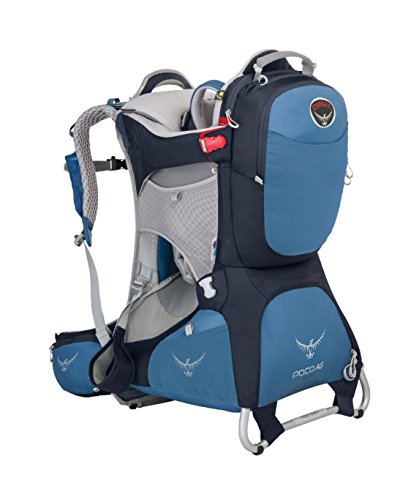
The Osprey Poco AG Plus is a premium framed child carrier built for serious hiking. Its standout feature is the Anti-Gravity (AG) suspension system, which uses a mesh harness to suspend the load away from your back, dramatically improving ventilation and comfort on long, sweaty trails. The lightweight aluminum frame provides a stable structure and allows the pack to stand on its own for easy loading and unloading.
Adjustability is key for shared gear, and this carrier offers six inches of torso adjustment to quickly fit different adult users. The child’s area is a fully framed and padded “cockpit” with an adjustable harness and seat, ensuring safety and support. With ample storage for gear, a sunshade, and a kickstand, it’s a complete system for day-long adventures.
Osprey Poco Plus Child Carrier

The Osprey Poco Plus offers a streamlined yet feature-rich alternative within Osprey’s lineup. It focuses on premium efficiency and design, with storage compartments tuned for organized packing. This model is ideal for parents who want the reliability and comfort of a framed carrier with intelligent storage solutions for snacks, diapers, and personal items.
Like its sibling models, it includes a comfortable, adjustable harness for the child and a supportive hip belt and shoulder straps for the adult. The design helps make the most of every exploration, whether it’s a hike in the woods or a trip to a crowded festival. Its balanced carry and thoughtful details support longer outings with your toddler in tow.
Deuter Kid Comfort Child Carrier

The Deuter Kid Comfort Active SL is engineered with a specific focus on fit and ventilation for the adult wearer. Its AirContact Lite back system uses hollow-chamber foam to let cool air in and hot air out, reducing perspiration during strenuous activity. This model is part of Deuter’s SL line, designed with slimmer straps and a shorter back length to fit the female anatomy or smaller-framed parents perfectly.
For the child, it offers a secure, padded seat with footrests and a 5-point safety harness. The VariQuick back length adjustment allows for a personalized fit, ensuring the carrier’s weight is properly transferred to your hips. It’s a robust choice known for durability and carrying comfort on extended hikes.
Thule Sapling Child Carrier Backpack

Thule’s Sapling carrier emphasizes cleanability and clever access. Its ErgoRide child seat is fully removable and machine washable, a major benefit for messy toddlers. The seat itself is designed for comfort with ample under-leg support and a ventilated back panel to keep your child cooler on warm days.
For the parent, the carrier features a self-standing frame and an easily accessible 22-liter gear compartment. You can reach the main storage via side zippers even while wearing the pack, so you don’t have to take it off to grab a water bottle or snack. The integrated UPF 50+ sunshade and rain cover provide essential protection from the elements.
Kelty Journey PerfectFIT ELITE Child Carrier

The Kelty Journey PerfectFIT ELITE lives up to its name with a suspension system that is easily adjustable to fit different body types securely. Load lifters, a supportive waistbelt, and a sternum strap work together to distribute your toddler’s weight evenly, reducing strain on your shoulders and back.
Safety and convenience are central to its design. It includes a 5-point safety harness and an aluminum roll cage frame for stability. A fold-out aluminum kickstand makes it simple to set the carrier down for loading or a quick break. The internal seat is shaped for a child’s natural sitting position, and the wide seat can accommodate larger toddlers comfortably.
OE Shoulder Hiking Carrier
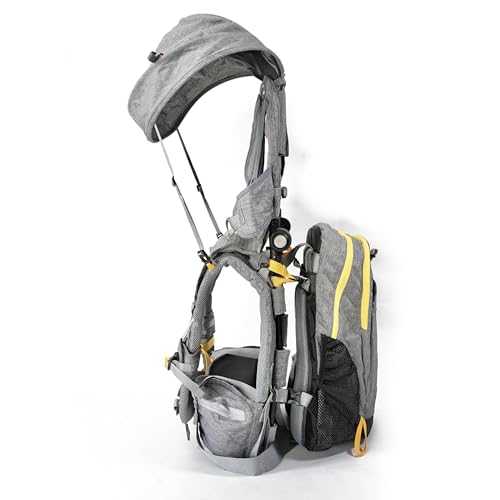
The OE Shoulder Hiking Carrier offers a unique, compact alternative to bulkier framed packs. Its most notable feature is its foldable design, which allows it to be packed down small enough to potentially fit under an airplane seat. This makes it an outstanding choice for traveling families who want a carrier for day hikes at their destination.
Despite its compact size, it doesn’t sacrifice support. The design includes a hip belt to transfer weight from your shoulders and neck to your waist, which can significantly reduce fatigue during use. It’s a practical and portable solution for parents of children aged one to four who need a capable but space-saving carrier.
Osprey Poco Premium Child Carrier

The Osprey Poco Premium represents the high end of child carrier comfort and features. It utilizes Osprey’s AirSpeed suspension, a tensioned mesh panel that creates an air gap between the pack and your back for exceptional ventilation. This system reduces pressure points and keeps you cooler on challenging hikes.
Your child rides in a deluxe, fully framed cockpit with soft, anatomical padding. The innovative Double Halo harness features front-facing arm loops, making it much easier to guide a wiggling toddler’s arms into the correct position and buckle them in safely. Additional premium touches include a removable daypack and a built-in sunshade.
LÍLLÉbaby CarryOn Airflow Toddler Carrier
While a specific image and ASIN were not provided, the LÍLLÉbaby CarryOn Airflow is a well-regarded option in the soft-structured carrier category for older babies and toddlers. As the name suggests, the Airflow model is designed with breathable mesh panels to keep both parent and child comfortable during physical activity like hiking.
This carrier is known for its ergonomic design, which includes lumbar support and the ability to carry your child in multiple positions, including a supportive back carry ideal for trails. It accommodates a high weight range, making it suitable for larger toddlers and preschoolers. For parents who prefer the flexibility of a soft carrier over a framed pack, this is a strong candidate for outdoor use.
Buying Guide: What to Look For in the Best Toddler Carriers for Hiking
Choosing the right toddler carrier for hiking can make the difference between a fantastic family adventure and a miserable slog. I’ve learned from experience that not all carriers are built for the trail. Here’s what I always check for before making a decision.
First, comfort is king—for both of you. Look for a carrier with a well-padded, breathable harness system. The shoulder straps should be wide and cushioned, and a solid hip belt is non-negotiable. It transfers the weight from your shoulders to your hips, which is a lifesaver on longer hikes. For your toddler, a seat that’s roomy and has a supportive, padded leg opening is key. They should be able to sit comfortably with their legs in a natural “M” position.
Next, consider support and safety. A good hiking carrier needs a sturdy, internal frame (usually aluminum) to maintain its shape and distribute weight evenly. A five-point safety harness is a must to keep your wiggly passenger secure. I also always look for a deep, padded hood or sunshade that’s easily adjustable. It protects your little one from sun, wind, and light rain, and it can provide head support if they doze off.
Storage might seem like a bonus, but on a hike, it’s essential. You need your hands free and your gear accessible. Look for generous cargo pockets, both for you and potentially for your toddler’s snacks and toys. Some carriers even have dedicated spots for a hydration bladder, which I find incredibly convenient. Don’t forget about adjustability. The carrier should grow with your child and fit different wearers comfortably. Easy-to-reach adjustment straps let you tweak the fit on the go.
Finally, think about the extras. How packable is it if you need to stow it away? Is the fabric easy to clean after a muddy day? Does it have little conveniences like a kickstand to help you load your toddler safely? By focusing on these features—comfort, support, storage, and adjustability—you’ll be well on your way to finding one of the best toddler carriers for hiking that fits your family’s adventures.
Frequently Asked Questions
At what age can my child start using a hiking carrier?
Most manufacturers recommend starting when your child can sit upright unassisted, which is typically around 6 months old. It’s crucial to check the specific weight and developmental minimums for the carrier you’re looking at. For older toddlers, all the models on a list of the best toddler carriers for hiking will have a higher weight limit, often up to 45-50 pounds, so you can use them for several years.
Are these carriers safe for my active toddler?
Yes, when used correctly. The key safety features to use every single time are the five-point harness (which includes a secure crotch strap) and the stirrups or footrests if the carrier has them. These prevent your child from standing up or sliding out. Always use the weather hood for extra head and neck support, especially if they fall asleep. It’s also a good habit to do a quick “safety check” of all buckles and straps before you head out.
How do I know if the carrier fits me properly?
A proper fit is everything for your comfort. The padded hip belt should sit snugly on the top of your hips, not around your waist. The shoulder straps should be adjusted so the weight is balanced between your hips and shoulders without digging in. Most quality carriers have multiple adjustment points. If possible, try one on with weight in it (your toddler or a bag of rice!) before you buy. A good outdoor gear shop can often help with a fitting.
My child hates being confined. Will they like a hiking carrier?
This is a common challenge! Start with short, positive experiences around the house or yard. Let them get used to being put in and taken out without going anywhere. On the trail, time your hikes with their happy periods (after a nap and snack) and be prepared to take frequent breaks for them to stretch and walk. Having a special “carrier-only” toy or snack can also build positive associations. Many kids grow to love the new view and the rocking motion of your walk.
What essential gear should I pack in the carrier’s storage?
Think of the carrier as your basecamp. I always pack more diapers/wipes than I think I’ll need, a full change of clothes for my child, plenty of snacks and water, a compact first-aid kit, sun protection (hat, baby-safe sunscreen), and a light rain jacket or emergency blanket. For longer hikes, a headlamp, extra layers, and a power bank for your phone are smart additions. Distribute weight evenly in the pockets to keep the carrier balanced.